Medieval
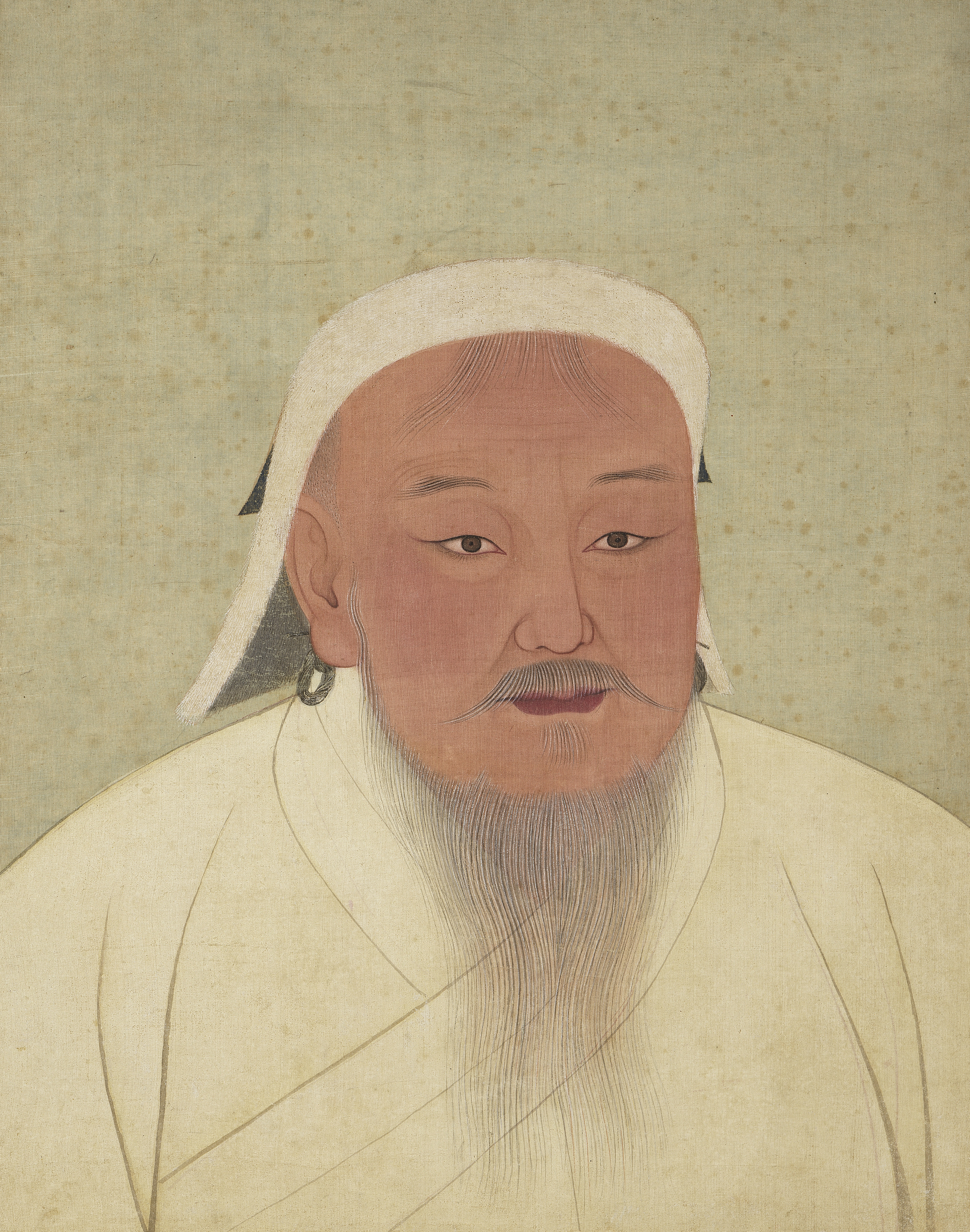
Genghis Khan (born Temüjin)
Founder and First Great Khan of the Mongol Empire
Biography
A Bloody Start
Born as Temüjin around 1162, the future conqueror supposedly entered the world clutching a solid clot of blood in his tiny fist—a Mongolian omen that he was destined for a life of violence. He certainly didn't disappoint. Before he even reached puberty, Temüjin murdered his older half-brother over a stolen fish and a bird, proving early on that he wasn't great at sharing. Surviving enslavement and brutal clan warfare, he eventually united the steppe tribes and took the title Genghis Khan, meaning "Universal Ruler".
Psychological Warfare and Bizarre Tactics
Genghis Khan didn't just win battles by sheer numbers; he was the ancient world's most terrifying innovator. His armies utilized highly unconventional, psychological tactics to break his enemies.
- Weaponized Animals: According to legend, when besieging the city of Volohai, he asked for 1,000 cats and 10,000 swallows as tribute, only to tie burning cotton to their tails and release them back into the wooden city, burning it to the ground.
- Ghost Armies: He routinely strapped dummies to spare horses to make his army look massive and terrifying.
- Bone-Chilling Tech: His archers used "whistling arrows" that emitted a horrific shrieking sound as they flew through the air, completely unnerving enemy troops.
The Ultimate Secret Grave
Perhaps the strangest part of Genghis Khan’s life was his death. When he died in 1227, his loyal followers took his request for a secret burial very seriously. His funeral procession slaughtered every single person and animal they encountered on the journey to his resting place to keep its location hidden. Once he was buried, legend says they rode 1,000 horses over the grave to obscure any signs of disturbed earth, and then the soldiers who buried him were executed by another group of soldiers, who were then also executed. To this day, his tomb has never been found.
Sources
The Secret History of the Mongols; 'Genghis Khan and the Making of the Modern World' by Jack Weatherford