Victorian
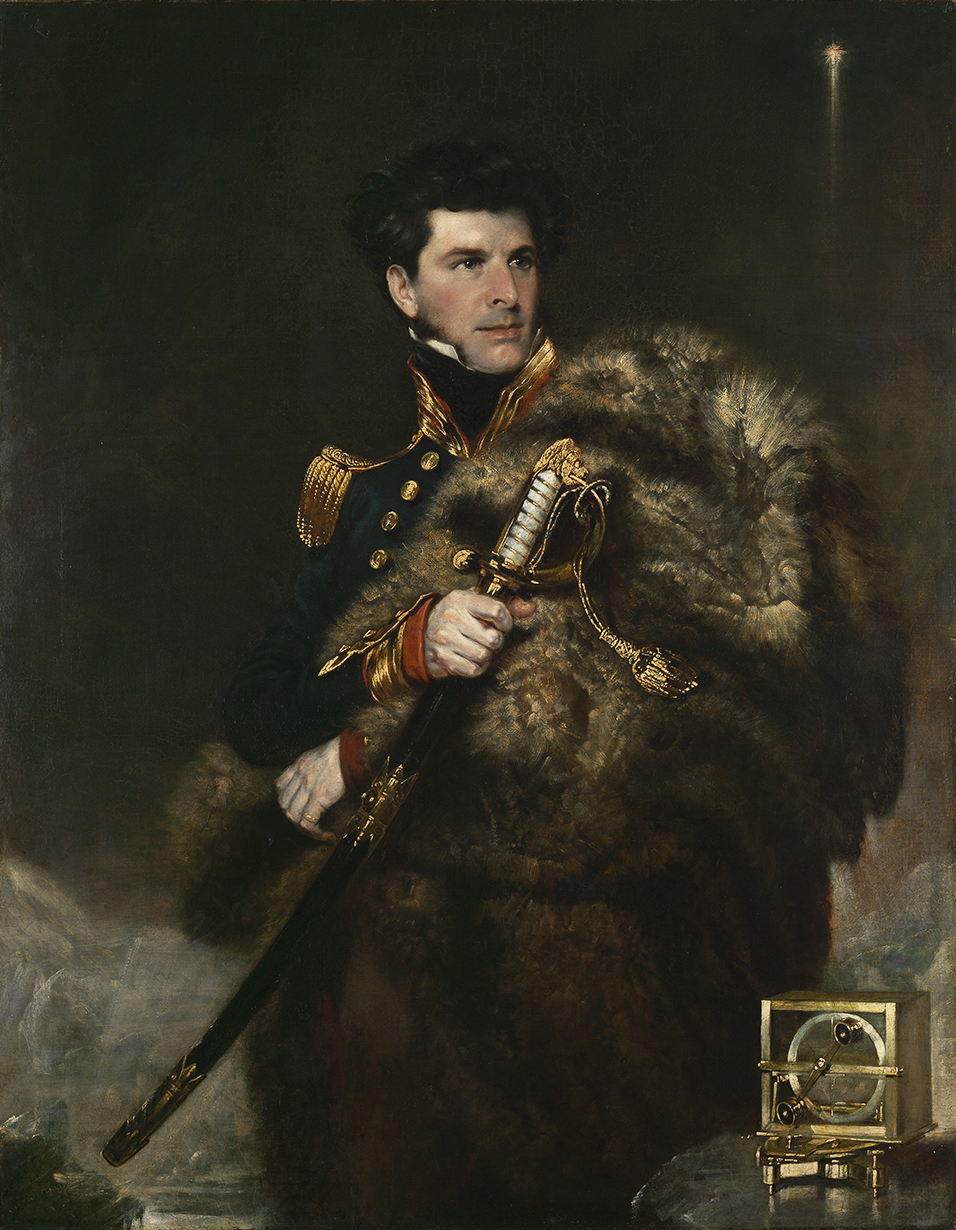
James Clark Ross
Explorer
Biography
Early Life
James Clark Ross was born in London in 1800. He became a prominent figure in marine exploration and is known for his expeditions to Antarctica and the Arctic regions, where he made numerous discoveries.
Tidal Marker Discovery
In 1841, while exploring in Van Diemen's Land (now Tasmania), he teamed up with fellow explorer Thomas Lempriere to carve a tidal measurement marker into the rock of the Isle of the Dead — a burial ground for convicts. This pivotal act led to one of science's most crucial long-term references for sea level changes. This remarkable intersection of scientific endeavor and grim history makes Ross's achievement all the more compelling.
Legacy of Exploration
Ross's explorations not only advanced human understanding of the polar regions but also contributed significantly to the fields of geography and natural science. His unique approach to merging exploration with practical scientific data serves as a fascinating study of Victorian-era exploration.
Connection Map
Drag nodes to explore · Click to read more
Sources
https://www.britannica.com/biography/James-Clark-Ross