Victorian
Osborne House
Royal Residence
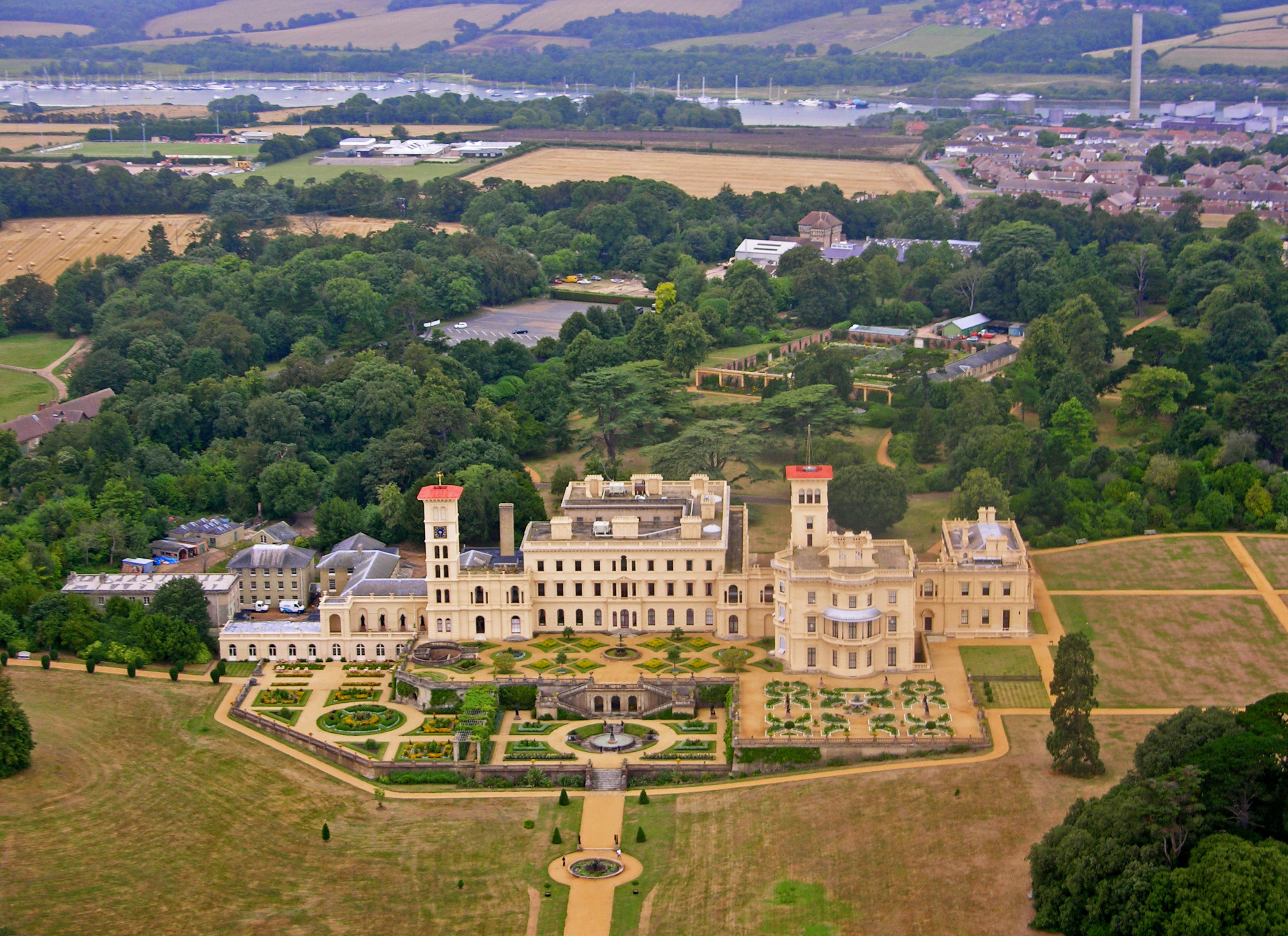
Osborne House wasn't just Queen Victoria and Prince Albert’s cozy seaside retreat; after Albert's sudden death, it transformed into a bizarre, amber-encased shrine to his memory. For nearly forty years, Victoria demanded his shaving water be brought up hot every single morning and his clothes laid out as if he might just stroll in from the grave. It's the ultimate monument to royal obsessive love and Victorian death culture.
About this Place
The Ultimate Mourning Shrine
At first glance, Osborne House looks like a spectacular, sun-drenched Italianate mansion washed ashore on the Isle of Wight. Designed primarily by Prince Albert to give the royal family a desperate break from the prying eyes and snooty courtiers of London, it started as a picturesque family getaway. But the true strangeness of this seaside palace began after Albert suddenly dropped dead in 1861. Rather than simply packing up his things and moving on, a devastated Queen Victoria turned the entire house into a meticulously maintained, morbid time capsule. For the next forty years, a small army of servants was ordered to operate under the bizarre delusion that Albert was just running a bit late. They laid out his fresh evening clothes daily, poured steaming hot shaving water into his basin every single morning, and placed fresh towels by his side of the bed. It was the absolute zenith of Victorian mourning culture, effectively freezing the sprawling royal residence in an eternal, eerie 1861.
Bizarre Royal Hobbies and Mini-Peasants
Beyond the macabre shrine to her dead husband, Osborne House is packed with strange architectural artifacts stemming from the royal family's highly peculiar downtime. Down by the private beach, you'll find Victoria’s infamous bathing machine—a specialized, rolling wooden shed that allowed the Queen of the British Empire to be wheeled directly into the sea, ensuring she could paddle about while fiercely guarding her royal modesty from non-existent onlookers.
Meanwhile, the royal children were subjected to their own odd social experiments at the Swiss Cottage. This was a massive, scaled-down alpine chalet where the princes and princesses were essentially forced to cosplay as peasants. They had to learn manual labor, including:
- Cooking and baking in a fully functional miniature kitchen
- Growing their own vegetables and selling them back to Prince Albert at market value
- Basic carpentry and housekeeping skills, just in case the monarchy suddenly collapsed
The Durbar Room Drama
Later in life, Victoria’s eccentricities pivoted toward an obsession with India, leading to the creation of the mind-boggling Durbar Room. Built in the 1890s, this banquet hall is drenched in incredibly elaborate Indian-style plasterwork. It served as an over-the-top monument to her title as Empress of India, stuffed with peculiar diplomatic gifts. It was in this very house that Victoria spent hours with her highly controversial Indian servant, Abdul Karim (the Munshi), scandalizing her deeply prejudiced children in a house already drowning in bizarre rituals and spectral memories.
Location
View on OpenStreetMap →Sources
English Heritage (Osborne House archives); 'Queen Victoria: A Biographical Companion' by Helen Rappaport; Historic England National Heritage List.
Connection Map
Drag nodes to explore · Click to read more