June 27, 2026· 7 min read
The Queen Who Never Took Off Her Wedding Bracelets
For nearly six decades, Queen Charlotte wore the same pair of bracelets every day, a quiet and unusual testament to a royal marriage that began with six hours and lasted a lifetime.
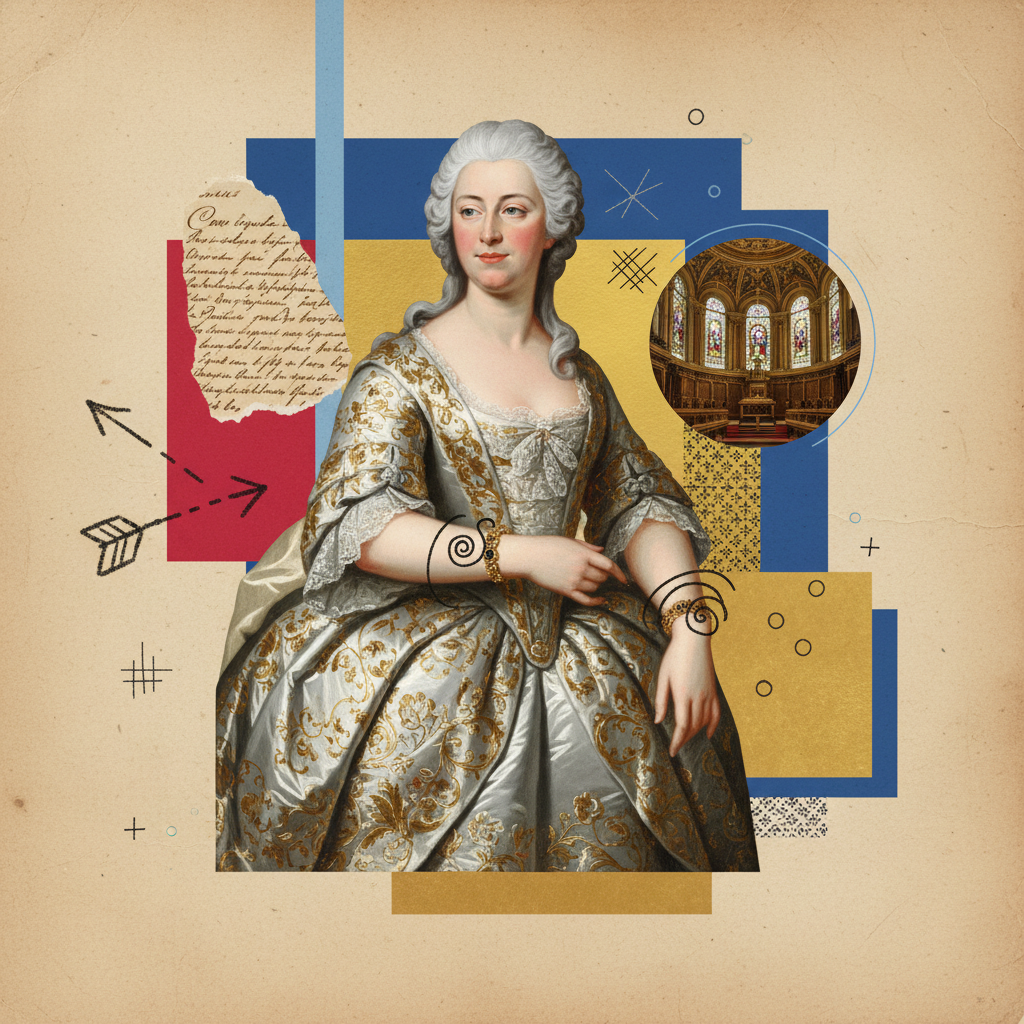
Historical Illustration (AI-generated)
Strange Fact
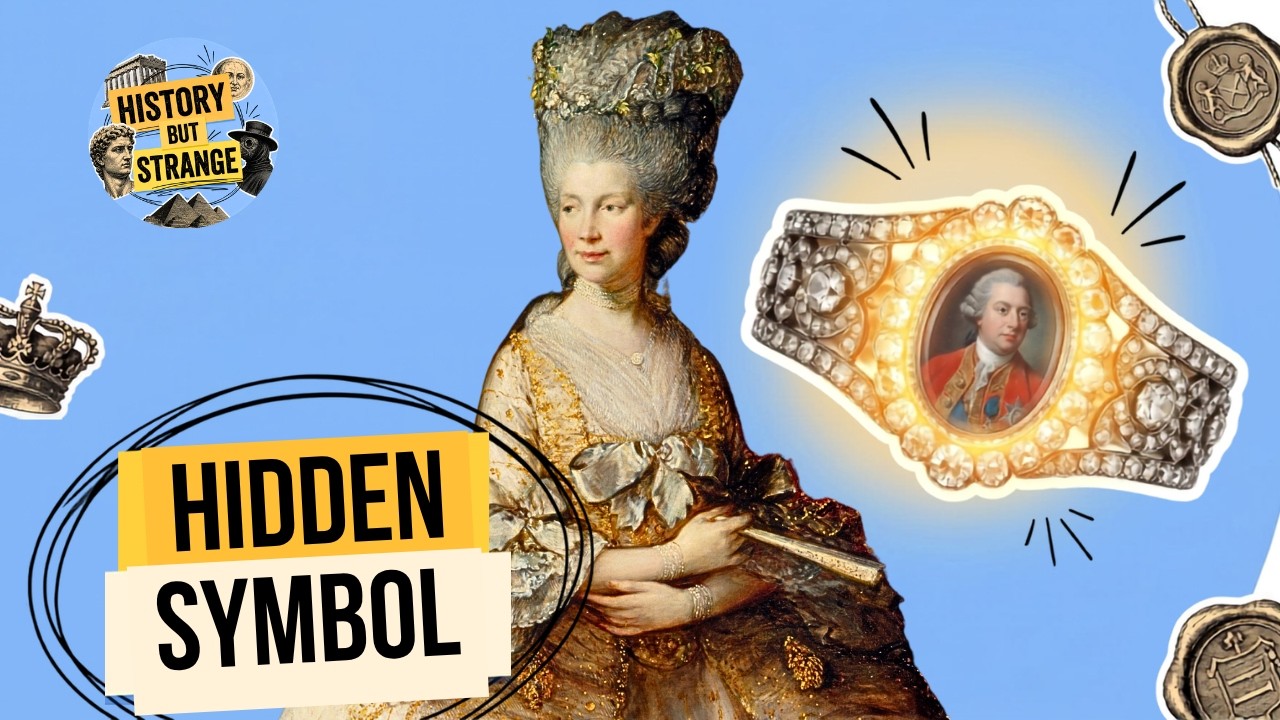
In an era when royalty used jewels as instruments of power and display, Queen Charlotte of Great Britain did something quietly remarkable. She wore the same pair of wedding bracelets every single day for almost sixty years.
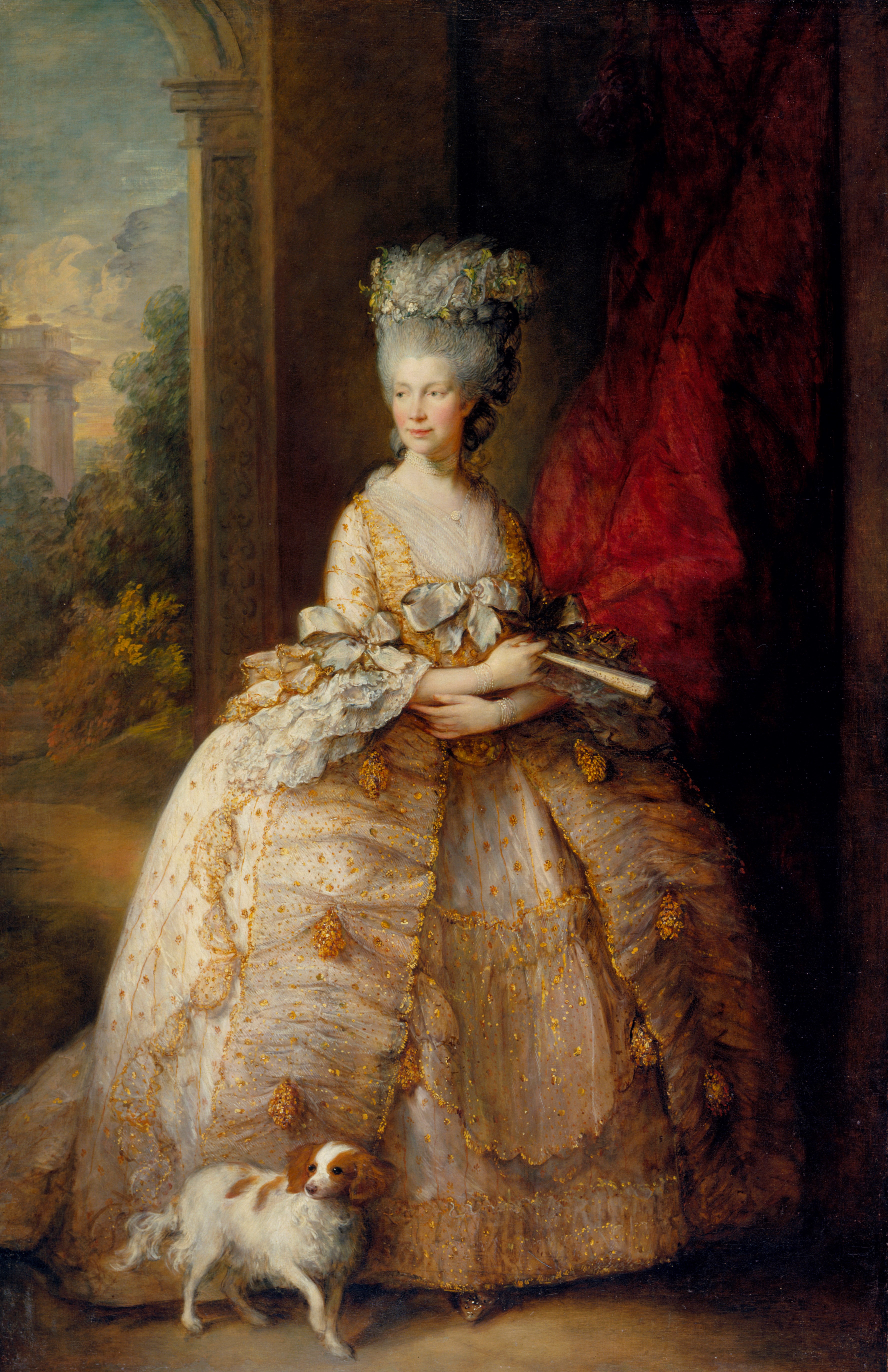
She did not rotate them out for state occasions. She did not set them aside when fashion shifted. From her wedding day in 1761 until her death in 1818, the bracelets remained on her wrists, visible in portraits painted decades apart.
For a queen with access to one of the greatest royal jewel collections in the world, this was not a matter of limited options. It was a choice.
Historical Background
A Marriage Arranged in Hours
Charlotte of Mecklenburg-Strelitz arrived in England on September 8, 1761. She was seventeen years old, had never met her future husband, and spoke very little English. King George III, twenty-three and already two years into his reign, met her for the first time that same afternoon.
They had approximately six hours together before their wedding ceremony that evening.
This was not unusual for royal marriages of the period. Dynasties were built on political alliances, and personal compatibility was rarely the primary consideration. Charlotte had been selected partly for her Protestant faith, her modest German background, and the absence of any entangling political affiliations. She was, in the calculation of the moment, a safe choice.
The wedding took place at the Chapel Royal, St. James's Palace. Charlotte reportedly wept during the ceremony, overwhelmed by the strangeness of her situation. George, by most accounts, tried to comfort her.
Building a Life Together
What followed surprised many observers. The couple, thrown together by diplomacy, developed a genuine and enduring partnership. They had fifteen children together, thirteen of whom survived to adulthood, a remarkable number even by the standards of the time.
George was, by the conventions of his era, an unusually attentive husband. He did not keep a string of mistresses in the manner of his Hanoverian predecessors. He preferred domestic evenings with Charlotte over the elaborate entertainments of court. Contemporary accounts describe a couple who genuinely enjoyed each other's company.
Charlotte, for her part, adapted swiftly and skillfully to English life. She became a patron of the arts, a keen botanist, and a devoted mother. She was not a political queen in the mold of earlier consorts, but she was a steady and capable presence at the center of British royal life for over half a century.
What Happened
The Bracelets
The wedding bracelets themselves were crafted from gold and set with jewels. Their specific design placed them squarely within the fine jewelry traditions of eighteenth-century Europe. Portraits of Charlotte across the decades show the same pieces on her wrists, a consistency that art historians and jewelry scholars have noted as strikingly unusual.
Royal women of the period were expected to embody wealth and dynastic prestige through their appearance. Jewelry was rotated, upgraded, and displayed strategically. A queen wearing the same pieces year after year, decade after decade, was departing from the norm in a very visible way.
Charlotte's choice appears to have been deliberate and personal. The bracelets were not her most valuable pieces, nor her most impressive. They were simply the ones she had worn when she made her vows.
Living Through George's Illness
The later decades of Charlotte's marriage were marked by a deepening crisis. George III suffered from recurring bouts of severe mental illness, episodes that historians now believe may have been caused by the blood disorder porphyria, though the diagnosis remains debated.
During these episodes, the king became by turns manic, incoherent, and violent. He was at times restrained in a straitjacket. He lost the ability to recognize his children. At one point, he reportedly did not know who Charlotte was.
The experience was, by all surviving accounts, profoundly distressing for Charlotte. She suffered from anxiety and, in later years, from physical decline. The woman who had built her adult life around a shared domestic partnership watched her husband disappear, piece by piece, into illness.
George III was formally declared incapacitated in 1811. He spent the last decade of his life at Windsor Castle, largely isolated, cared for by physicians but no longer able to function as king or husband. Charlotte continued to wear the bracelets throughout.
Why It Was Strange
The strangeness here is not theatrical. It is quiet and accumulative.
Consider the context:
- Royal consorts were expected to use jewelry as a public language of status and power.
- Fashion at the Georgian court changed substantially across sixty years, and jewelry fashions changed with it.
- Charlotte had access to the full British royal collection, one of the most extensive in the world.
- The marriage itself was arranged under conditions that gave neither party any realistic basis for attachment.
And yet she kept wearing the same two pieces, every day, for nearly six decades.
There is no surviving letter or diary entry in which Charlotte directly explains this habit. We are left to read it from the portraits, from the consistency of the visual record, and from what we know of her character.
What makes it genuinely strange, rather than simply sentimental, is the persistence of the gesture through circumstances that would have given any reasonable person cause to set the bracelets aside. The mental illness of a husband who sometimes could not recognize her. The political turbulence of the American Revolution, the Napoleonic Wars, the Regency crisis. The deaths of children. The slow physical deterioration of old age.
Through all of it, the bracelets stayed.
Historical Legacy
Charlotte died in November 1818, at the age of seventy-four, at Kew Palace. George III outlived her by fourteen months, dying in January 1820, having spent his final years without any awareness of the world around him.
Charlotte's reputation in the centuries after her death was largely overshadowed by her husband's dramatic illness and by the louder personalities of her sons, particularly the Prince Regent, who became George IV. She was often treated as a secondary figure in narratives that centered on male actors.
In recent years, however, her story has attracted renewed attention. Partly this is due to popular culture, including dramatizations that have brought her into a wider public conversation. But historians had begun reassessing her legacy before that, noting her role as a patron of the arts, her influence on botanical gardens, and the remarkable steadiness she maintained through an exceptionally turbulent period.
The bracelets, as a detail, encapsulate something that formal historical records can struggle to convey: the texture of a private life lived inside a public role. Charlotte was a queen first, and the machinery of monarchy shaped almost every aspect of her existence. But she found, or perhaps created, a small space for personal fidelity within that machinery.
She wore what she wanted to wear. Every day. For sixty years.
In the context of a life so thoroughly defined by duty and dynastic obligation, that is, in its quiet way, a striking thing.
Sources
See the Sources section below for references.

Written by
The History, But Strange Team
We dig into the weirdest, strangest, and most forgotten corners of real history. From bizarre royal scandals to unusual medical practices and darkly funny disasters, our team researches and writes about the stories your textbooks left out.