June 29, 2026· 7 min read
Her Execution Was Delayed for Hours, So She Made Jokes About Her Own Neck
On the morning of her beheading, Anne Boleyn was ready. Her executioner was not — and the man who destroyed her was quietly making sure no one sympathetic was watching.

Strange Fact
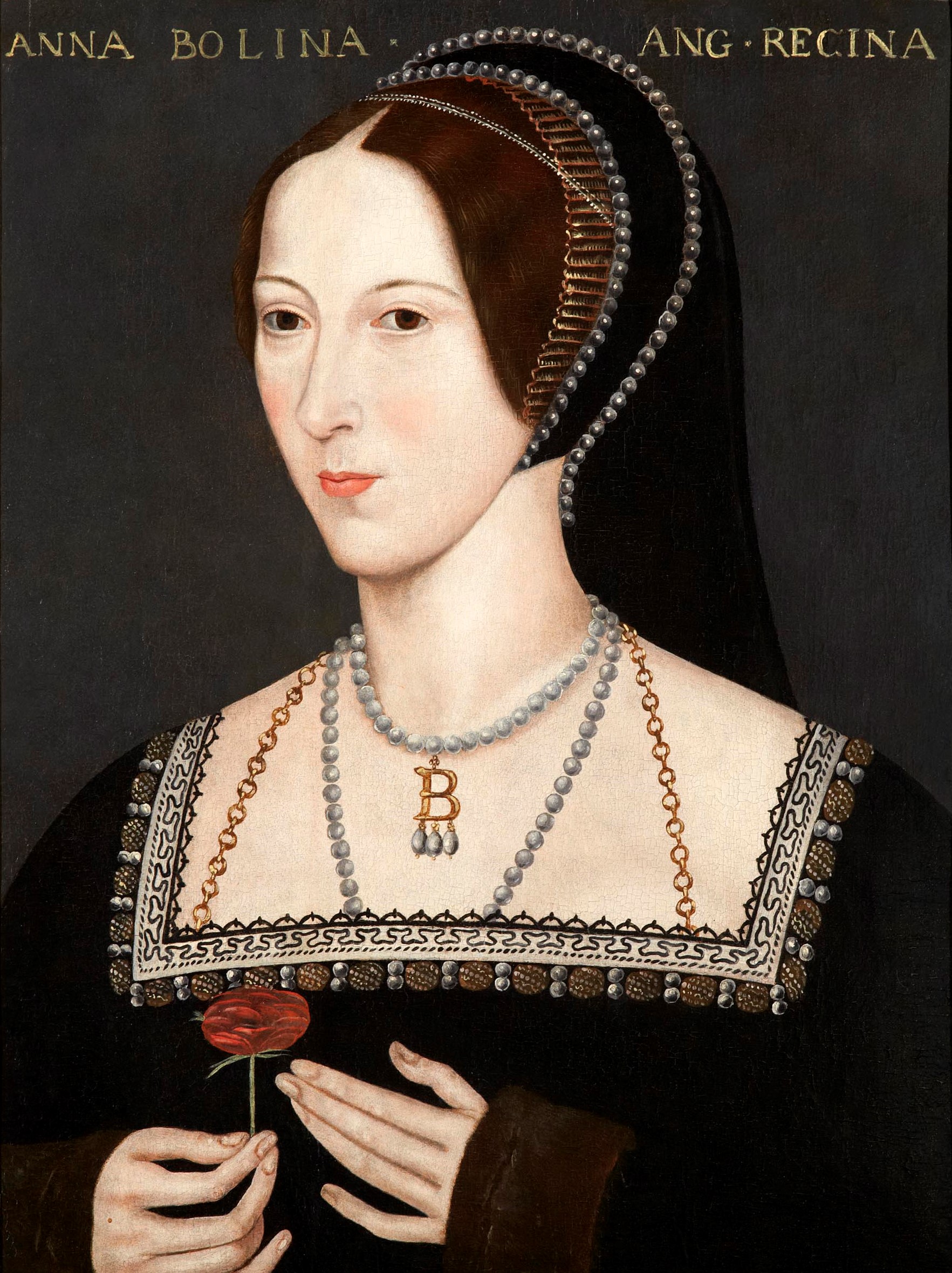
On the morning of May 19, 1536, Anne Boleyn dressed carefully, received the sacrament, and walked to Tower Green prepared to die. She had made her peace. She had rehearsed, in whatever way a person can, the final moments of her life.
Then she waited.
The executioner had not arrived. The French swordsman, brought specially from Calais because he was considered the most humane practitioner of his craft, was still somewhere in transit. And so the second Queen of England — convicted of adultery, incest, and treason — spent the better part of a morning pacing the grounds of the Tower of London, very much alive, and apparently making jokes about her own neck.
"I heard say the executioner was very good," she reportedly told one of her ladies, "and I have a little neck." Then she laughed.
Historical Background
Anne Boleyn had risen to a height almost no English woman had reached before. The daughter of a diplomat and courtier, she had spent years at the French court, returned to England polished and sharp-minded, and caught the eye of Henry VIII at a moment when his marriage to Catherine of Aragon was already collapsing under the weight of his desperation for a male heir.
Henry did not merely want Anne as a mistress. He wanted her as a wife, and he remade the religious and political structure of England to make it possible. The English Reformation, for all its theological complexity, had a very personal starting point: a king who wanted a divorce and a woman who would not settle for less than a crown.
She was crowned Queen of England in 1533. By 1536, she was in the Tower.
The fall was swift and brutal. Thomas Cromwell, Henry's chief minister, orchestrated an investigation that produced charges of adultery with five men, including her own brother, George Boleyn. Most historians today regard the charges as either fabricated or wildly exaggerated. Anne had failed to produce a male heir. Henry wanted to move on. Cromwell provided the mechanism.
Five men were executed before her. Then it was her turn.
What Happened
The execution had originally been scheduled for May 18, then postponed to May 19. When that morning came, Anne was ready. The crowd gathered at Tower Green was ready. The block was ready.
The executioner was not.
The French swordsman, known as the Hangman of Calais or sometimes identified as a man called Jean Rombaud, had been summoned specifically because a sword was considered a more dignified instrument of death than the axe typically used in English executions. Decapitation by sword required a different technique, and a skilled hand. His late arrival was, on the surface, a logistical problem.
But there was more to the delay than a missed boat.
Thomas Cromwell had taken deliberate steps to ensure that the foreign ambassadors present in London, particularly those who might report sympathetically about Anne to courts abroad, were kept away from the Tower during the execution. The delay was, at least in part, stage-managed. Cromwell needed time to clear the diplomatic audience before the final act could proceed.
Meanwhile, Anne waited.
Accounts of her behavior during those hours vary, as contemporary accounts always do, but several sources agree on the broad picture: she was composed, she prayed, she spoke to her ladies, and she made more than one darkly comic remark about the size of her neck. The comment about the executioner being "very good" and her neck being "little" was recorded by multiple witnesses and has the ring of something actually said rather than invented after the fact. It is the kind of joke a person makes when there is nothing left to do but laugh.
Her composure was noted by everyone present. The Constable of the Tower, Sir William Kingston, had written to Cromwell just days earlier that Anne kept swinging between laughter and grief. By the morning of May 19, the grief appears to have resolved into something steadier.
When the executioner finally arrived, the execution itself was remarkably quick. Anne knelt upright, without a block, in the French style. She did not need to be blindfolded before the sword fell. It was, by the brutal standards of the era, considered a clean and merciful death.
She was probably 35 years old.
Why It Was Strange
There is something almost vertiginously strange about the scene, even by the standards of Tudor England, where public executions were common and royal downfalls were not unheard of.
Consider the specific quality of the torment involved. Anne Boleyn was not kept waiting out of cruelty in any overt sense. No one was prolonging her suffering for sport. The delay was, in one part, an accident of travel, and in another part, a piece of quiet political management by the man who had engineered her destruction. Neither cause offered her any comfort or explanation.
She simply had to wait, in public, on a May morning, for the man who was going to kill her to show up.
And the person stage-managing the timing was Cromwell, who had built the case against her, coached the witnesses, and selected the charges. He was not present at Tower Green. He was elsewhere, ensuring the diplomatic optics were correct. The condemned woman was, in the most literal sense, waiting on his schedule.
The dark jokes about her neck are not incidental to the story. They are the heart of it. Gallows humor is one of the oldest human responses to powerlessness, and Anne Boleyn, who had wielded more informal power than almost any woman of her era, had none left. She could not change the outcome. She could not speed the morning along. She could not make the executioner arrive. What she could do was make a joke, and she did.
It is worth noting that the joke itself has a specific, precise quality. She did not make a general remark about death or fate. She made a joke about her neck, the specific part of her body that was about to be separated from the rest of her. That level of specificity suggests either remarkable composure or a kind of psychological dissociation that read, to the people around her, as wit.
Probably it was both.
Historical Legacy
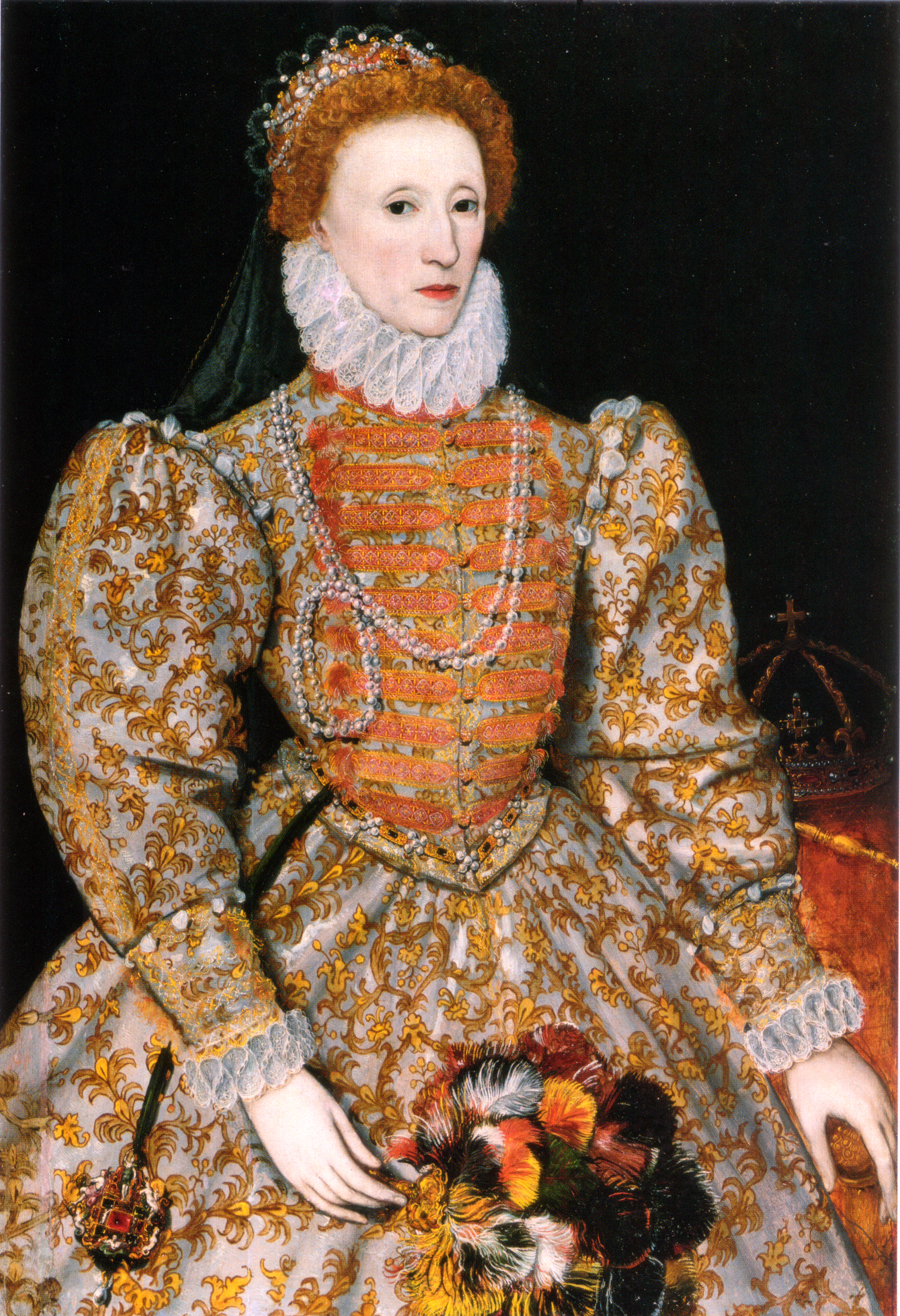
Anne Boleyn did not die quietly in the historical sense. Her daughter, born in 1533 and considered a disappointment because she was not the hoped-for son, became Elizabeth I, one of the most consequential monarchs in English history.
Anne herself has been the subject of continuous reassessment. In her own time, she was painted by Henry's supporters as a witch, a seductress, a traitor. Later Protestant writers recast her as a martyr of the Reformation. Feminist historians of the twentieth and twenty-first centuries have examined her as a woman of genuine intellectual and political substance who was destroyed when she became inconvenient.
The Tower of London still marks the site of her execution. Her remains are buried in the Chapel of St Peter ad Vincula, inside the Tower, in an unmarked grave that was later identified during Victorian renovations.
Henry VIII married Jane Seymour eleven days after Anne's execution. Jane gave him the son he had wanted. She died in childbirth the following year.
Cromwell was executed in 1540, on similarly shaky legal grounds, after Henry decided he had outlived his usefulness. He, too, was buried in the Tower.
History has a way of making its points without editorial comment.
Sources
See the Sources section below for full citations.

Written by
The History, But Strange Team
We dig into the weirdest, strangest, and most forgotten corners of real history. From bizarre royal scandals to unusual medical practices and darkly funny disasters, our team researches and writes about the stories your textbooks left out.